Navigating the Seas of Financial Trends
1. The Economic Compass: GDP and Inflation
Navigating financial currents often begins with understanding gross domestic product (GDP) and inflation, as these are reliable indicators of a country's economic health. GDP reflects the total value of all finished goods and services produced, whereas inflation provides insights into the purchasing power by measuring price changes over time. Tracking these metrics can offer a rough map guiding financial decisions.
Advertisement
2. Currency Exchange Rates: The Pulse of Global Trade
Currency exchange rates act as a pivotal current in the international trade ecosystem. Fluctuations in exchange rates can affect everything from import prices to investor confidence. Central banks often intervene to stabilize these rates, while traders navigate these waters with tools like hedging, minimizing risks in the ever-changing financial landscape.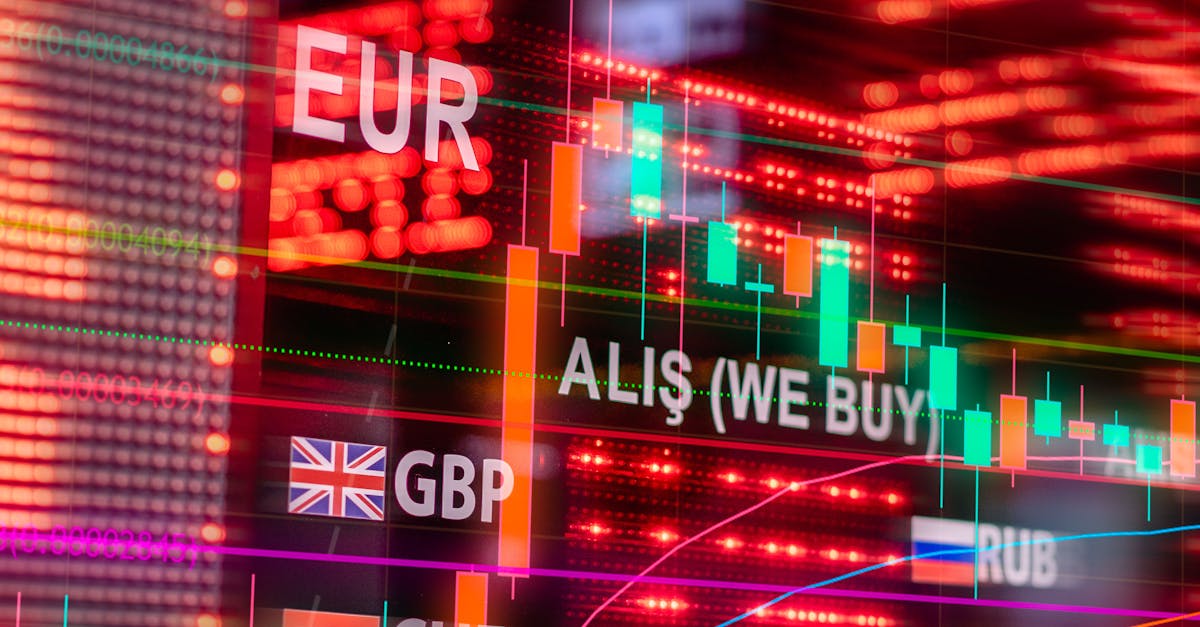
Advertisement
3. Stock Market Waves: Riding the Bulls and Bears
Market sentiment, represented by bullish or bearish trends, significantly impacts investment strategies. Understanding these trends involves analyzing stock performance, company earnings, geopolitical events, and economic policy changes. Smart investors chart these financial currents, calibrating portfolios to include diversity and resilience, preparing for the tide's periodic rise and fall.
Advertisement
4. The Cryptocurrency Current: Digital Tides
In recent years, cryptocurrencies have emerged as a powerful force reshaping the financial world. Bitcoin and its digital counterparts flow dynamically, often untethered from traditional financial metrics. As governments and financial entities adapt, the evolving digital currency landscape presents both massive opportunities and potential threats to financial stability.
Advertisement
5. Interest Rates: The Wind Behind Economic Sails
Interest rates are a fundamental driver of financial currents, influencing everything from consumer spending to business investments. The central banks adjust these rates to control money supply and manage inflation, which directly impacts the cost of borrowing and the return on savings. Financial forecasting often revolves around predicting these fluctuations to chart the best course.
Advertisement
6. Trade Policies and Tariffs: Navigational Barriers
In the realm of international trade, policies and tariffs often act as navigational barriers, directing and sometimes misguiding financial flows. Protectionist policies, while intending to safeguard domestic industries, can lead to trade imbalances. As countries negotiate their positions, savvy investors and businesses adapt to these changes, charting their paths while staying afloat amidst regulatory shifts.
Advertisement
7. Financial Technologies: New Age Navigators
Financial technologies, or fintech, have brought transformative changes to traditional banking and investment practices. From mobile banking apps to blockchain technologies, fintech innovations empower consumers with more control over their finances. These technological advancements make navigation through financial currents more transparent, efficient, and accessible for a wider audience.
Advertisement
Conclusion
Charting financial currents involves a keen understanding of diverse elements that influence the global economy. From traditional indicators like GDP and inflation to modern developments in cryptocurrency and fintech, a comprehensive approach aids in traversing the intricate financial seas. Staying informed and adaptive ensures that investors, traders, and business leaders can navigate and thrive amidst the ever-shifting economic tides.
Advertisement