Emerging Economic Ebb And Flow 2023
Introduction
In 2023, the global economic landscape experienced a combination of unprecedented challenges and unique opportunities. Economies worldwide have faced fluctuating market dynamics, largely due to the aftereffects of the pandemic, geopolitical tensions, and shifts in technology. This year, key indicators reveal a complex picture characterized by varied growth rates, inflationary pressures, and evolving consumer behaviors. The economic ebb and flow have left governments, businesses, and individuals adapting to a rapidly changing environment. Despite the challenges, new opportunities have emerged, leading to innovations and novel economic strategies.
Advertisement
Global Economic Recovery
Globally, economies are working towards recovering from the disruptions of the past few years. While some countries have bounced back robustly, others are grappling with slow growth and labor market challenges. Notably, the service sector, significantly hit during the pandemic, has shown signs of revival in many regions. Governments around the world are implementing monetary and fiscal policies to stimulate growth, focusing on infrastructure, green technology, and digital transformation. However, the uneven recovery process presents challenges, particularly in emerging markets where access to vaccines and funding remains a concern.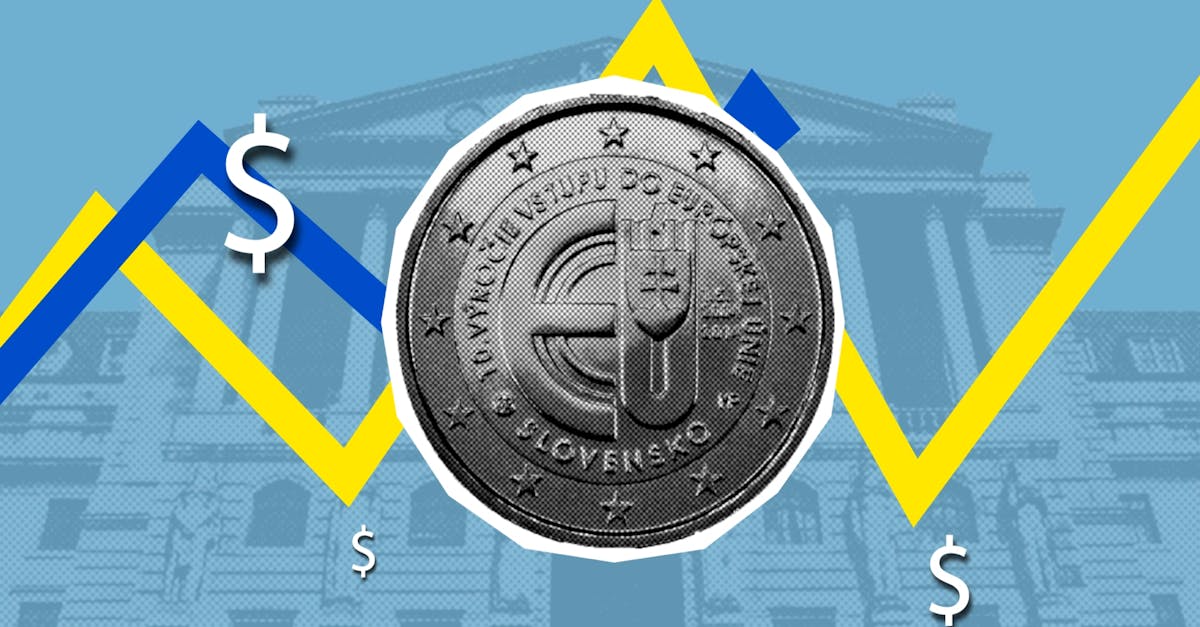
Advertisement
Technological Advancements
The technological sector continues to flourish, driving economic changes and offering new opportunities. Advances in artificial intelligence, machine learning, and automation have become key drivers of economic growth. These technologies are transforming industries, leading to increased productivity and efficiency but also raising concerns about job displacement. The tech sector's evolution is prompting discussions around education and skills development to ensure workforce adaptability in the face of automation. Policymakers and businesses are investing in reskilling programs to prepare workers for the demands of the modern digital economy.
Advertisement
Inflationary Pressures
The economic landscape in 2023 is marked by significant inflationary pressures in many economies. Rising energy costs, supply chain disruptions, and increased demand have contributed to higher consumer prices. Central banks are adopting varied approaches to manage inflation, with some opting for interest rate hikes to tame rising prices. Households are feeling the pinch as wages struggle to keep pace with inflation, affecting purchasing power and living standards. The situation has sparked discussions on sustainable economic practices and the balancing act between stimulating growth and controlling inflation.
Advertisement
Geopolitical Influences
Geopolitical tensions remain a significant factor influencing economic dynamics this year. Trade disputes, diplomatic uncertainties, and regional conflicts are impacting global supply chains and investment flows. The shifting alliances and national security concerns are prompting countries to reevaluate trade relationships and economic partnerships. Businesses are adopting risk mitigation strategies to navigate these geopolitical complexities, including diversifying supply sources and investing in localized production. The global market is witnessing a reconfiguration of trade networks as countries seek resilience against geopolitical uncertainties.
Advertisement
Green Economy Transition
The transition towards a green economy is gaining momentum in 2023, driven by increasing awareness of environmental concerns and regulatory pressures. Governments and businesses are investing heavily in renewable energy, sustainable practices, and carbon reduction technologies. The shift towards sustainability is creating new market opportunities, particularly in sectors like electric vehicles, clean energy, and eco-friendly consumer goods. While the green transition presents economic potential, it also poses challenges, particularly for industries reliant on fossil fuels. The shift requires unprecedented collaboration among stakeholders to balance growth and sustainability.
Advertisement
Evolving Consumer Behaviors
Consumer behaviors are shifting significantly in response to economic changes and technological advancements. The pandemic accelerated the adoption of digital technologies, impacting how consumers shop, work, and interact. E-commerce continues to thrive, with consumers favoring convenience and online access to goods and services. There's also an increased emphasis on sustainability, with more consumers opting for eco-friendly products and transparent business practices. Businesses are adapting to these trends by enhancing digital platforms, adopting sustainable practices, and personalizing consumer experiences to cater to evolving preferences.
Advertisement
Financial Market Dynamics
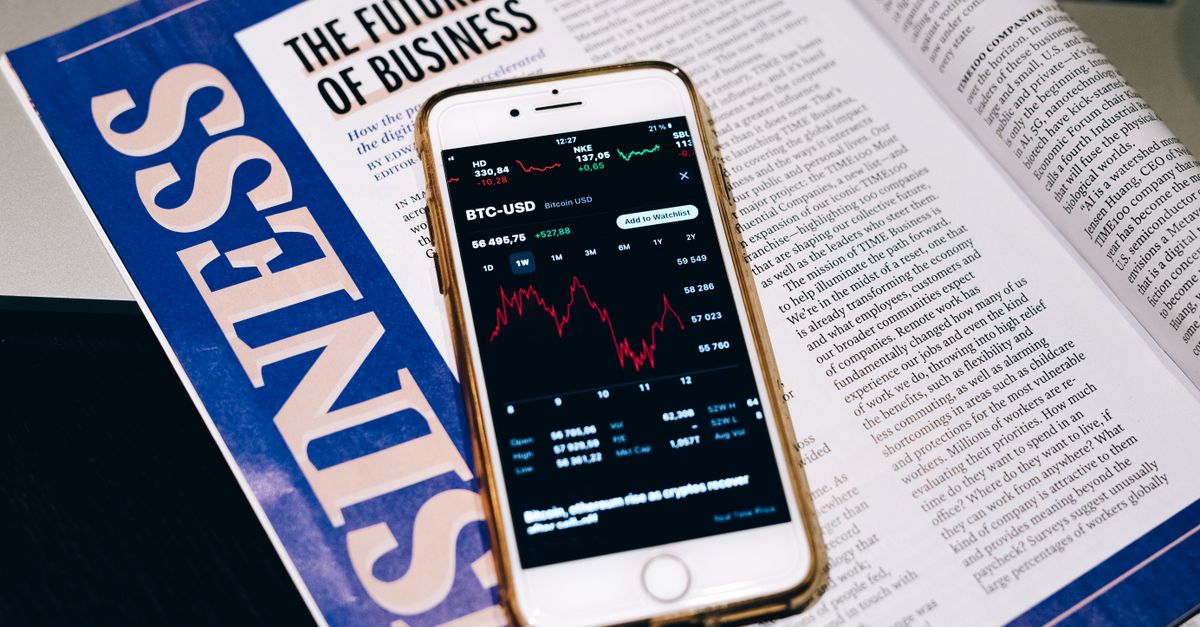
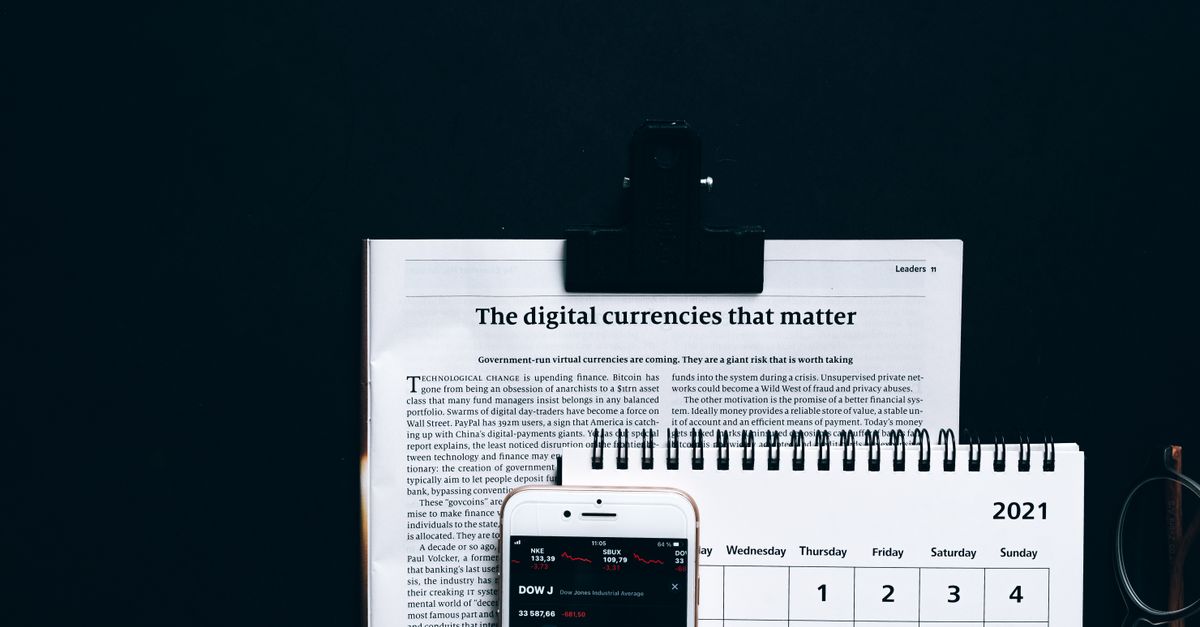
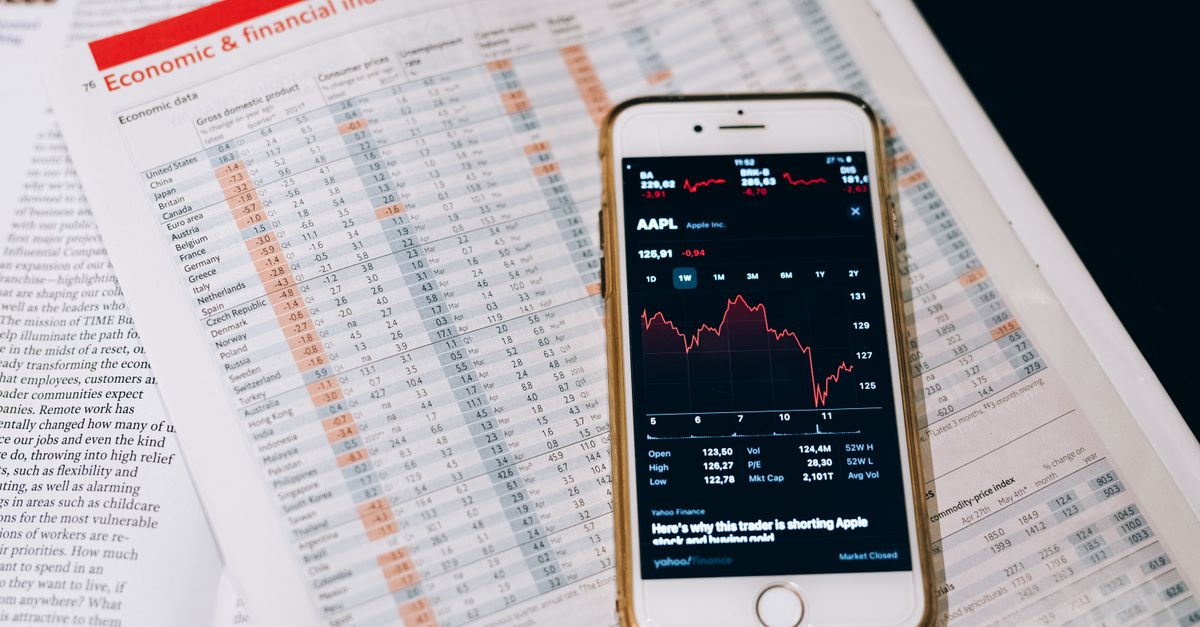
Financial markets in 2023 are characterized by volatility and rapid shifts, influenced by a combination of technology, economic policy, and investor sentiment. Digital assets and cryptocurrencies are gaining traction, offering both high rewards and significant risks. Meanwhile, traditional investments like stocks and bonds are experiencing fluctuations due to inflation concerns and geopolitical risks. Regulatory bodies are stepping in to oversee market practices, ensuring investor protection and market integrity. Investors are diversifying portfolios to mitigate risks, considering alternatives like sustainable investments and emerging market opportunities.
Advertisement
Future Economic Outlook
Looking beyond 2023, the global economy is expected to continue evolving, shaped by technological advancements, sustainability goals, and geopolitical developments. Economies are likely to witness varying growth trajectories, influenced by domestic policies, international collaborations, and adaptability to changing environments. The focus will increasingly be on sustainable, inclusive growth strategies, balancing economic advancement with social and environmental considerations. Collaborative efforts among nations will be crucial in addressing global challenges and seizing opportunities for a prosperous, resilient future.
Advertisement
Conclusion
The economic ebb and flow of 2023 paint a complex picture of challenges and opportunities. As economies navigate through recovery processes, technological advancements, and geopolitical tensions, adaptability becomes essential for future success. Inflationary pressures and evolving consumer behaviors necessitate innovative solutions to sustain growth and stability. Moving forward, the emphasis on sustainability and digital transformation will define future economic landscapes. Collaboration between governments, businesses, and individuals is key to addressing challenges and ensuring a vibrant global economy that benefits all.
Advertisement