The Financial Futures Revolution
Introduction
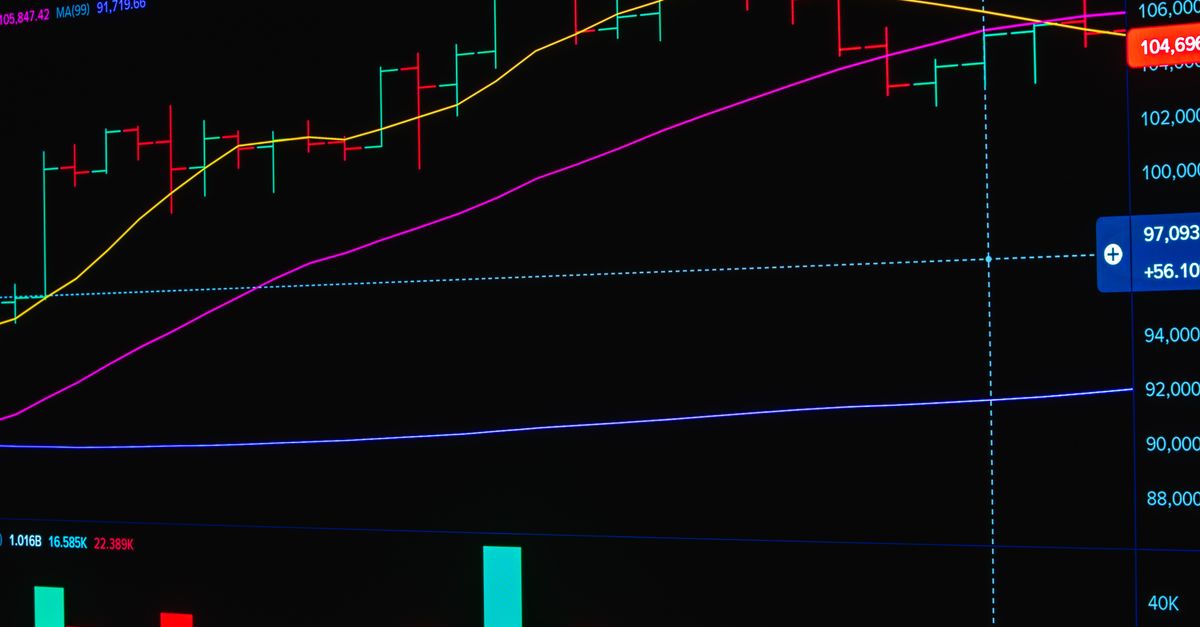
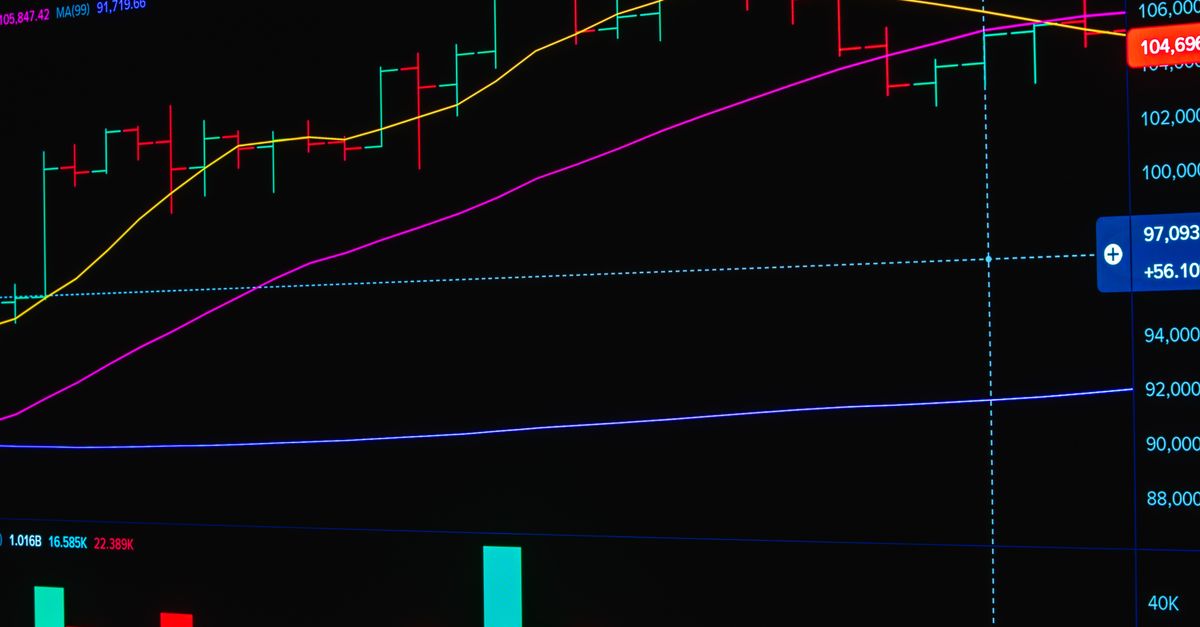
In an ever-evolving financial ecosystem, financial futures have emerged as transformative instruments, shaping the landscape of modern trading. These contracts, predicated on buying or selling an asset at a predetermined price and date, play a pivotal role in market speculation and risk management. But what sparked their rise, and how do they function in the grander scheme of finance? Delving into the complexities of financial futures reveals a world where investment strategies are constantly being redefined. From commodities to financial indices, the scope and influence of futures have grown exponentially. With this revolution underway, it's crucial to grasp the intricacies of futures trading that captivate traders and investors alike.
Advertisement
The Genesis of Futures
The concept of futures trading dates back to ancient civilizations, where commodities like rice and grain were traded with future delivery dates. This practice allowed merchants to hedge against price fluctuations, paving the way for modern-day futures contracts. The 1970s marked a significant turning point with the establishment of organized futures exchanges like the Chicago Mercantile Exchange. Initially limited to agricultural products, futures expanded to include a plethora of financial instruments, reshaping the financial markets. As technology advanced, transparency and accessibility improved, drawing more participants into the arena. This historical evolution set the stage for a financial futures revolution that continues to unfold today.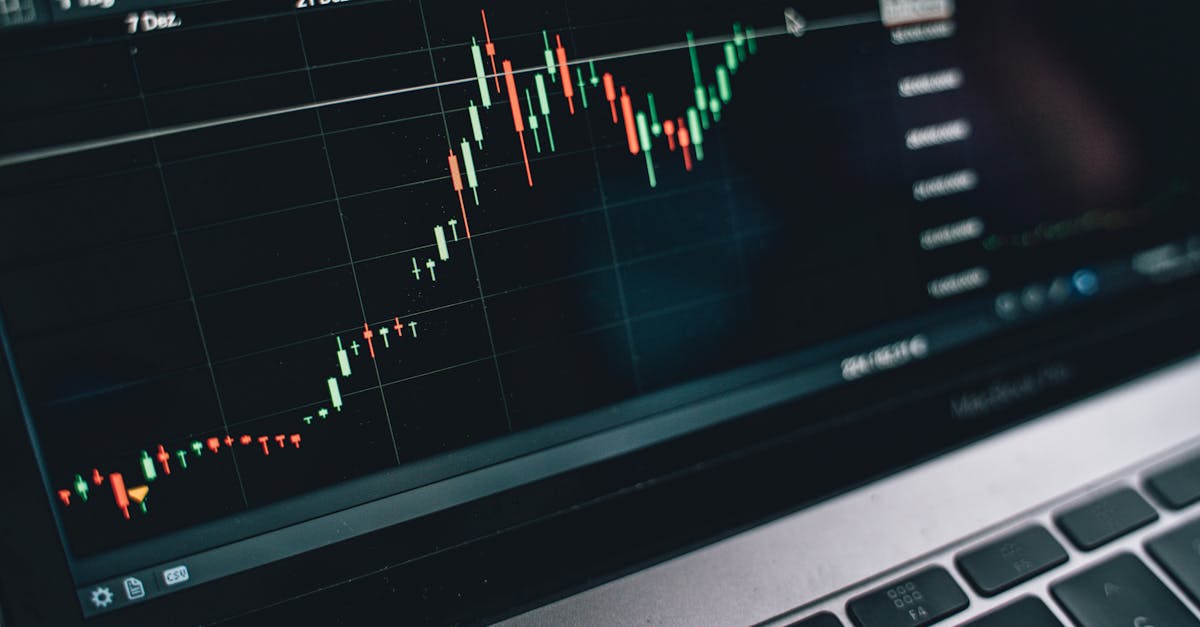
Advertisement
Understanding Futures Contracts
At the heart of futures trading is the futures contract—a binding agreement to exchange an asset at a specified future date and price. Unlike traditional trading, futures allow participants to leverage positions, providing opportunities for significant gains or losses. Each contract consists of specifications such as the asset type, size, delivery method, and expiration date, standardizing transactions across markets. By enabling speculation on price movements, participants can hedge against potential risks or profit from predicted trends. Futures differ from options in that they oblige both parties to execute the transaction, making them an indispensable tool for market stability and liquidity.
Advertisement
Diverse Applications of Financial Futures
Financial futures have transcended their origins, now encompassing a vast array of contracts beyond commodities. Index futures, currency futures, and interest rate futures are just a few examples of the diversification present in modern markets. These contracts facilitate portfolio management, offering opportunities to hedge against currency fluctuations, inflation, or interest rate changes. By providing a mechanism for betting on the direction of entire markets or sectors, futures enable investors to diversify and manage risk more effectively. This adaptability highlights the versatility of financial futures in a globalized economy where market dynamics are in constant flux.
Advertisement
Technology and the Trading Landscape
Advancements in technology have significantly altered the landscape of financial futures trading. Electronic trading platforms have revolutionized access, enabling real-time transactions across global markets. Algorithmic trading, powered by sophisticated software and data analytics, has introduced efficiency and speed, leveling the playing field for institutional and retail investors alike. With the integration of artificial intelligence and machine learning, predictive analytics are reshaping strategies and decision-making processes. This synergy between finance and technology is pivotal to the futures revolution, fostering innovation and expanding market participation.
Advertisement
The Risks and Rewards of Futures Trading
While futures trading presents lucrative opportunities, it is not without its risks. The potential for high leverage can result in considerable financial losses, making risk management paramount. Seasonal fluctuations, geopolitical events, and economic indicators can cause volatility, leading to rapid shifts in futures prices. Traders must navigate these complexities with precision and discipline, employing strategies such as stop-loss orders and diversification to mitigate potential downsides. The allure of substantial gains continues to draw risk-tolerant individuals, but success in futures trading hinges on understanding and managing inherent risks.
Advertisement
Regulatory Frameworks and Futures Markets
Given the complexity and potential impact of futures markets, robust regulatory frameworks are essential to ensure market integrity and investor protection. Regulatory bodies like the Commodity Futures Trading Commission (CFTC) oversee futures trading, enforcing standards and compliance to prevent market manipulation and fraud. These regulations foster transparency and confidence among participants, promoting fair and orderly markets. As futures products evolve, so too must regulatory measures adapt to address emerging challenges and maintain the delicate balance between innovation and oversight.
Advertisement
Influence on Modern Investment Strategies
Incorporating futures into investment strategies has become increasingly popular among fund managers and institutional investors. By using futures to hedge against adverse market movements, investors can protect portfolios against unexpected downturns. Moreover, speculating on price trends can enhance returns, appealing to those with a higher risk appetite. Financial futures also serve as a barometer of market sentiment, reflecting investor expectations and shaping investment decisions. The integration of futures into diversified portfolios underscores their significance in contemporary finance, where agility and adaptability are key.
Advertisement
Challenges and Future Directions
While financial futures have revolutionized trading and investment strategies, challenges persist. The interconnectivity of global markets means that shocks in one region can have ripple effects elsewhere, requiring resilience and adaptability. Technological disruptions, regulatory changes, and evolving market structures continuously reshape the landscape, necessitating ongoing innovation. As the financial futures revolution progresses, the focus will likely shift towards sustainable and ethical investing, integrating environmental, social, and governance (ESG) factors. The future of futures trading is set to be defined by balancing traditional methodologies with emerging trends, ensuring continued relevance and growth.
Advertisement
Summary and Conclusion
The financial futures revolution has reshaped the financial markets, offering opportunities and challenges in equal measure. From their humble beginnings in ancient trade practices to their current global impact, financial futures have transformed trading dynamics. As technology advances and markets evolve, the integration of futures into investment strategies becomes increasingly essential. While challenges exist, the potential for innovation and growth is undeniable. Even amidst an ever-changing landscape, financial futures will remain a cornerstone of modern finance, driving strategic evolution and providing investors with powerful tools to navigate uncertainty.
Advertisement