Navigating Fiscal Forethought with Foresight
Understanding Fiscal Forecasting
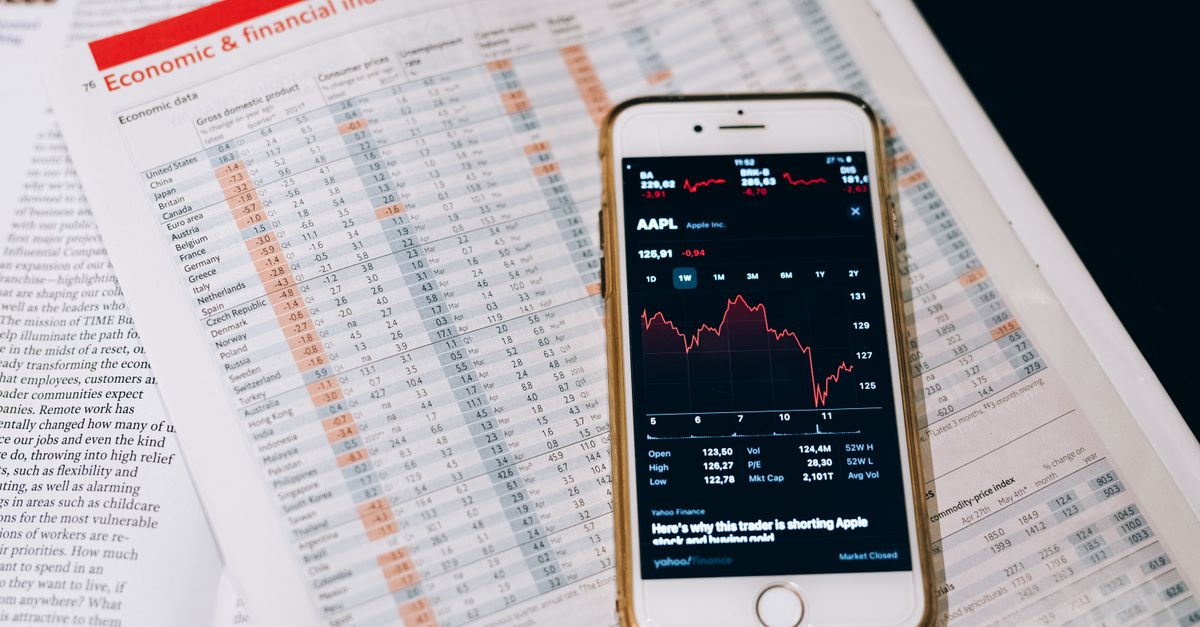
In the whirlwind world of economics, forecasting fiscally forward trends stands as both an art and a science. It requires not only rigorous analysis but also a dash of intuition to predict what the future holds financially. As financial landscapes evolve, the techniques and tools used to make these predictions also adapt and advance.
Advertisement
Essential Tools for Fiscal Forecasting
At the heart of every well-rounded economist's toolbox are several indispensable resources. Economic data analysis, for example, plays a critical role. By examining patterns, trends, and anomalies within complex data sets, forecasters gather insights that pave the way for predicting potential fiscal scenarios. Then there are econometric models that allow statisticians to simulate and project future financial states.
Advertisement
The Role of Historical Context
Forecasting fiscally forward is not just about looking ahead but also glancing back. Historical financial data offers a treasure trove of lessons—both cautionary tales and success stories. By recognizing patterns, such as recurring financial cycles and deviations from expected outcomes, economists can better tailor their forecasts to be more accurate and grounded in reality.
Advertisement
Technology’s Impact on Economic Predictions
Technology has revolutionized the forecasting landscape. Advanced algorithms, artificial intelligence, and machine learning have propelled forecasting fiscally forward trends into the stratosphere of accuracy and efficiency. By using sophisticated software platforms, forecasters can analyze vast amounts of data swiftly and with greater precision than ever before.
Advertisement
Challenges in Predicting Financial Trends
Despite technological advances, forecasting fiscally forward trends is fraught with hurdles. Unpredictable global events, such as natural disasters or geopolitical tensions, often throw curveballs that challenge even the most calculated forecasts. Forecasters must remain adaptable, adjusting their models and predictions as new variables arise to disrupt the fiscal status quo.
Advertisement
The Importance of Interdisciplinary Insights
Gone are the days when forecasting was an insulated exercise. Today, economists work closely with experts from various fields—politics, environmental science, technology—to craft well-rounded contextual predictions. This interdisciplinary approach boosts the reliability of forecasts, accounting for complex interconnections within the global economy.
Advertisement
Financial Trends to Watch
Amidst the chatter of fiscal forecasts, several trends emerge as focal points. Sustainable investing sees increasing emphasis, with ecological considerations intertwining with economic predictions. Digital currencies also carve their niche in forecasting discussions, as economists puzzle over their impact on traditional monetary systems. Monitoring these and other trends becomes crucial in painting a comprehensive picture of potential fiscal futures.
Advertisement
Concluding Thoughts
Forecasting fiscally forward trends offers a glimpse into the economic tomorrow, demanding a cocktail of historical wisdom, technological innovation, and interdisciplinary collaboration. Through challenges and triumphs, the primary goal remains the same: ensuring that individuals, businesses, and governments can navigate the financial currents ahead with informed confidence. In the ever-evolving tapestry of economics, forecasting serves both as a compass and a crystal ball, guiding the way forward.
Advertisement