Understanding Modern Finance Tides with Ease
The Digital Currency Revolution
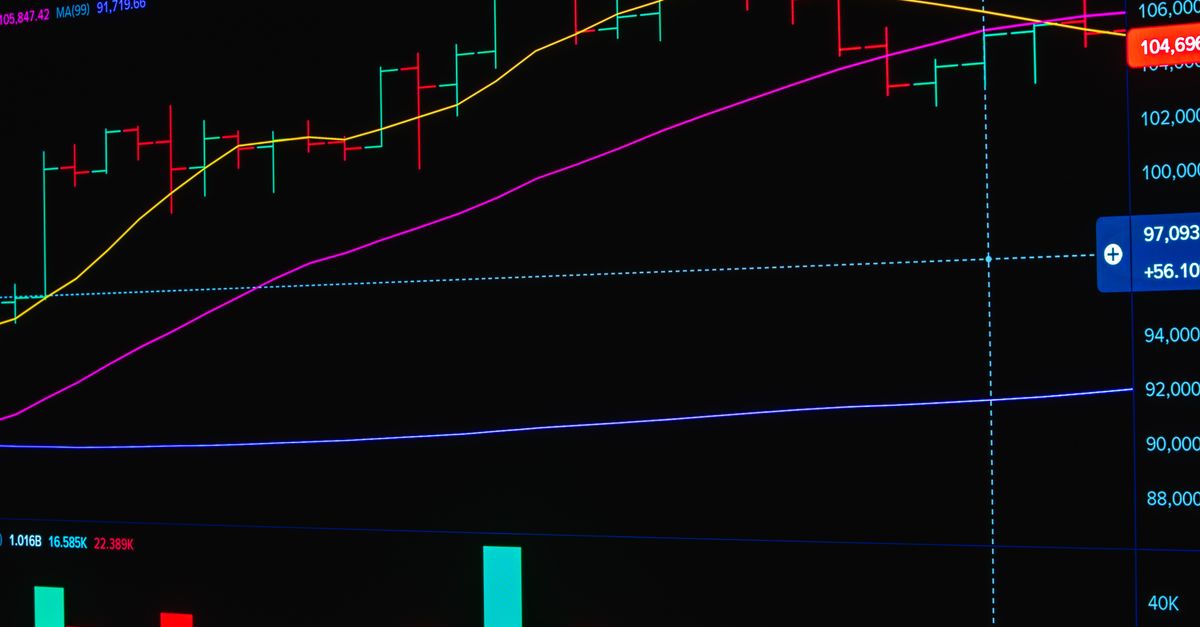
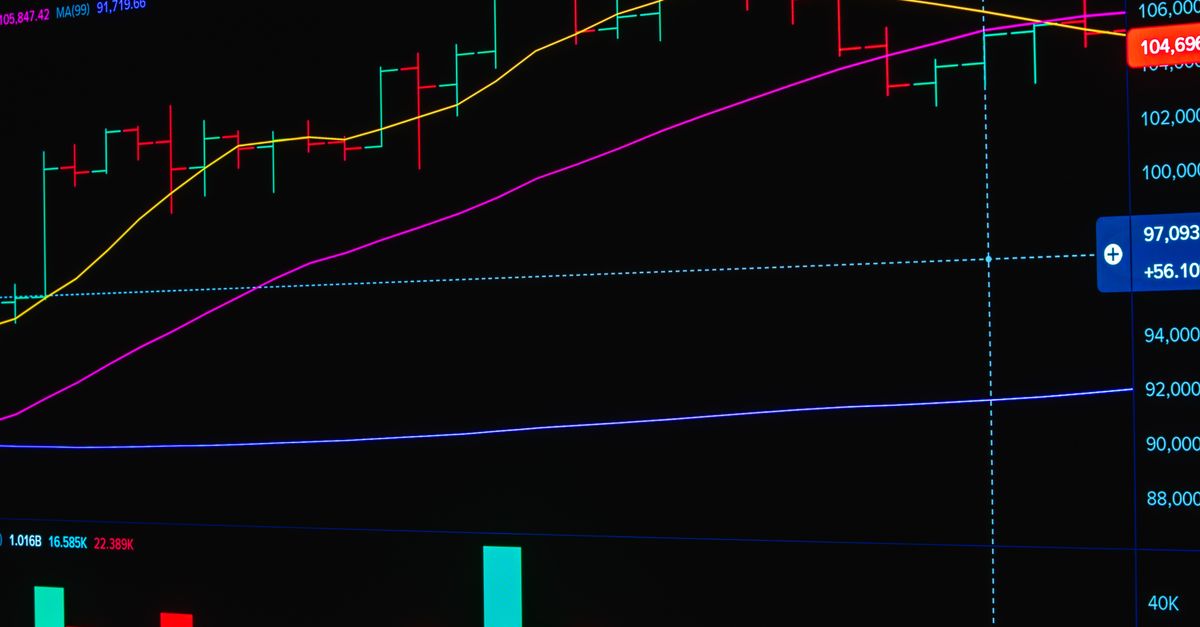
There's a remarkable transformation sweeping through the financial world: the rise of digital currency. Whereas paper money once reigned supreme, cryptocurrencies like Bitcoin and Ethereum now command attention. Our monetary interactions are evolving, offering enhanced transactional efficiency and stirring debates on regulation. While enthusiasts hail them as revolutionary, critics caution about volatility and security risks.
Advertisement
Rise of Sustainable Investing
Gone are the days when investments were solely about monetary return. Welcome to the era of sustainable investing, where financial growth intertwines with environmental and social impact. Investors increasingly opt for portfolios that reflect their values, choosing businesses reducing carbon footprints or enhancing community welfare. It's a powerful shift, blending profitability with purpose.
Advertisement
Fintech: Modern Finance's Game Changer
If you've noticed your bank undergoing digital upgrades, thank the ever-expanding realm of fintech. This boon marries technology and finance, offering enticing innovations from user-friendly payment solutions to AI-driven financial advisory services. Practically speaking, managing your money has never been more accessible or streamlined, yet it also raises questions about privacy and cybersecurity.
Advertisement
Emerging Market Dynamics
Traditionally overshadowed by mature economies, emerging markets now beckon with untapped potential and growth. Driven by youthful populations and rapid urbanization, these markets entice a new wave of investors seeking diversification. However, navigating these markets requires understanding their unique political and economic climates — turning potential boons into on-ground opportunities.
Advertisement
The Role of Central Bank Decisions
Central banks wield immense power in molding financial landscapes. By adjusting interest rates and managing national currencies, they steer economic stability. Recent shifts, like divergent monetary policies between global superpowers, are pivotal in navigating modern finance trends. For the individual investor, these decisions can influence everything from mortgage rates to savings yield.
Advertisement
Impact of Technological Advancements
Technology is not just a back-room buzzword; it's a lifeline transforming financial systems. The incorporation of blockchain, big data analytics, and AI heralds a new chapter in efficient financial services delivery. But while tech simplifies transactions, it also presents challenges, like job displacement due to automation or increasing tech-dependence.
Advertisement
The Gig Economy and Financial Resilience
The gig economy's rapid rise redefines traditional employment, paving the way for flexible working models. This shift urges financial systems to adapt, catering to freelancers' unique banking needs and irregular income streams. It opens new avenues for personal finance strategies and savings plans, though it might signal a spotlight on workers' rights and benefits.
Advertisement
Conclusion: Embracing the Financial Future
Navigating modern finance trends involves understanding a dynamic interplay of digital innovation, environmental concerns, and economic shifts. From cryptocurrencies to shifts in employment types, these changes create a comprehensive framework for future financial exploration. While challenges persist, embracing adaptability and foresight can equip individuals and businesses to ride these waves of transformation successfully. In the ever-evolving financial playground, awareness and readiness become key to thriving.
Advertisement