Tracking Markets: A Practical Guide to Daily Signals
Introduction
Daily Financial Trends And Market Insights help turn a noisy stream of prices, headlines, and economic releases into a clearer picture of how markets behave. By combining broad indicators with careful context, investors and curious readers can distinguish durable shifts from temporary commotion, while remembering that uncertainty is a permanent feature of finance.
Advertisement
Why daily context matters
Daily Financial Trends And Market Insights are most useful when they explain relationships rather than merely report movements. A stock index rising one day may reflect strong earnings, falling interest-rate expectations, or simple relief after a poor week. The number matters, but the reason behind it matters more. Markets are storytelling machines, although their plots are often written by economists, central bankers, corporate executives, and occasionally a surprisingly dramatic oil tanker. Looking across several sessions helps separate genuine momentum from random fluctuation and prevents one headline from dominating the entire interpretation.
Advertisement
Interest rates set the rhythm
Daily Financial Trends And Market Insights frequently begin with interest rates because borrowing costs influence households, companies, governments, and investors at the same time. When rates rise, loans become more expensive and future corporate profits may appear less valuable. Higher yields can also make bonds and savings products more attractive compared with riskier assets. When rates fall, financial conditions often loosen, supporting spending and investment, though falling rates may also signal economic weakness. The important distinction is between what policymakers are doing now and what markets expect them to do next. Prices often move on the gap between those two ideas.
Advertisement
Inflation and employment clues
Daily Financial Trends And Market Insights depend heavily on inflation and employment data. Inflation measures show how quickly the cost of goods and services is changing, while employment figures reveal the strength of household incomes and consumer demand. A cooling inflation rate can encourage expectations of lower interest rates, but persistent wage growth may keep policymakers cautious. Conversely, weakening hiring can reduce inflation pressure while raising concerns about economic growth. No single release provides a complete diagnosis. Analysts usually compare several months of data, examine revisions, and consider whether the figures are broad-based or driven by a small number of volatile categories.
Advertisement
Reading equity markets
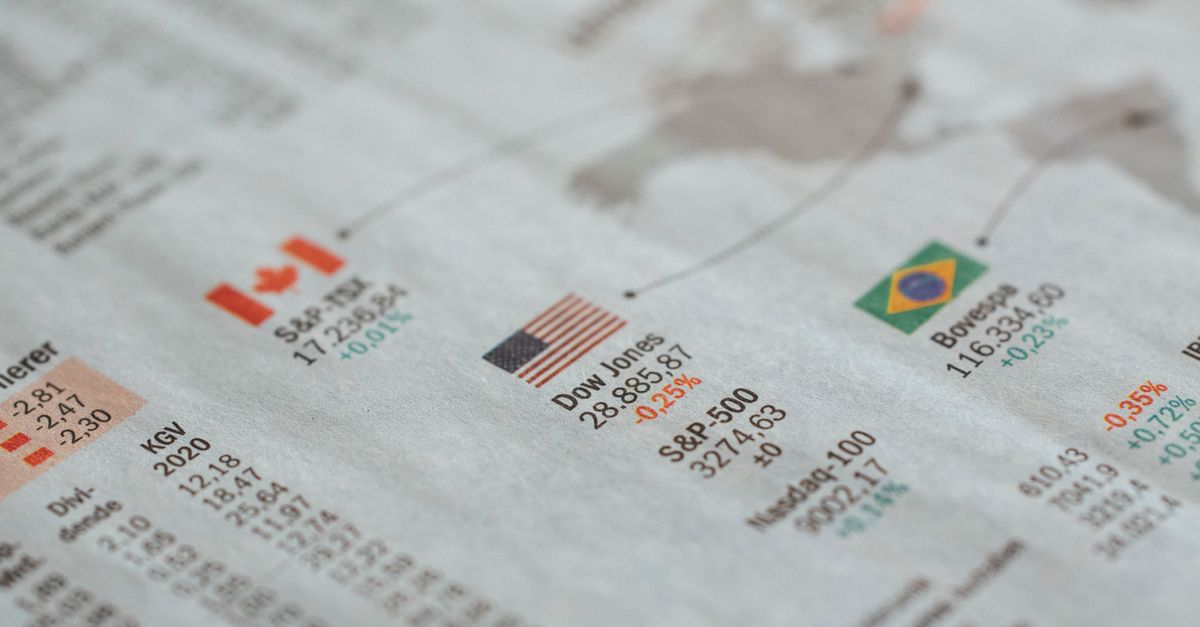
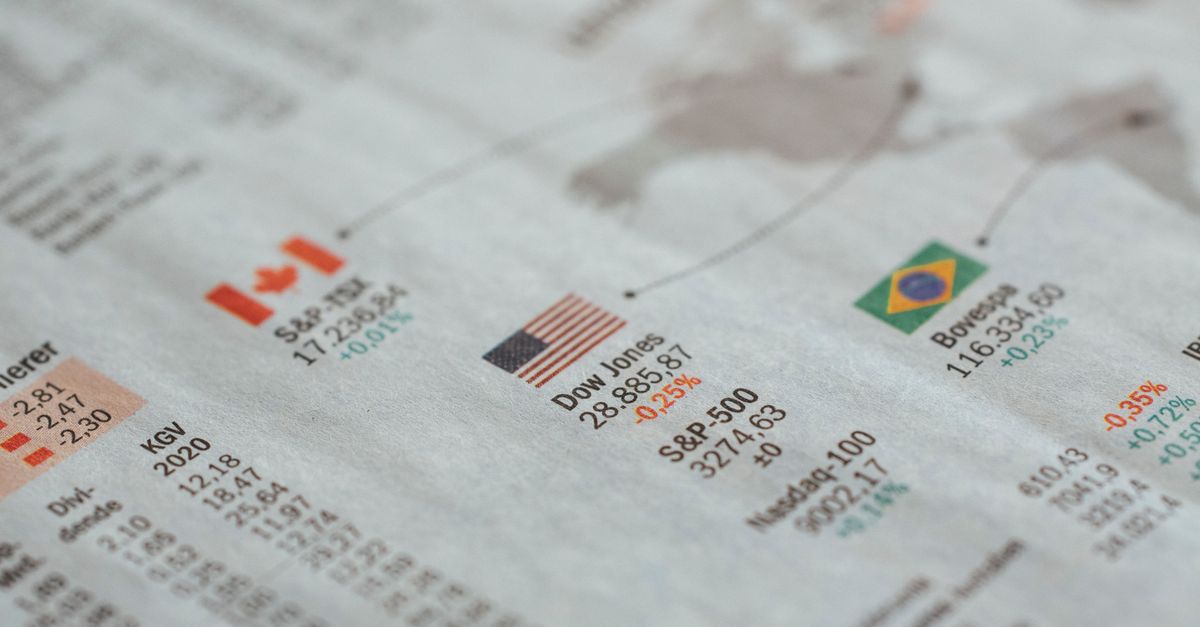
Daily Financial Trends And Market Insights offer a better view of share prices when investors examine breadth, earnings, and valuation together. A rising index led by a handful of enormous technology companies tells a different story from a broad rally involving banks, manufacturers, retailers, and smaller firms. Earnings reports provide evidence about sales, margins, costs, and future expectations. Valuation measures then help place that evidence in context. A company can report impressive growth and still see its shares fall if the market had expected something even better. In finance, “good” is not always good enough when expectations have already climbed a tall ladder.
Advertisement
Bonds, currencies, and commodities
Daily Financial Trends And Market Insights also require attention beyond equities. Bond prices and yields often reveal changing expectations about inflation, growth, and monetary policy. Currency markets respond to interest-rate differences, trade conditions, political developments, and demand for safer assets. Commodity prices add another layer, since energy and food costs affect both corporate expenses and household budgets. A stronger currency may reduce the domestic cost of imports but make exporters less competitive. Rising oil prices can support energy producers while squeezing transportation and manufacturing businesses. These connections show why markets rarely move in neat, isolated boxes.
Advertisement
The role of investor sentiment
Daily Financial Trends And Market Insights become more reliable when sentiment is treated as a force, not a fact. Investors can become optimistic after strong economic news, but excessive optimism may already be reflected in prices. Fear can produce sharp selling even when a company or economy remains fundamentally sound. Measures such as volatility, fund flows, credit spreads, and options activity can help indicate whether participants are calm, nervous, or chasing momentum. Sentiment is useful for understanding market behavior, but it is notoriously fickle. It can change before breakfast and occasionally before the coffee has finished brewing.
Advertisement
Global connections and hidden signals
Markets operate as a connected system, so developments in one region can quickly affect another. A policy announcement in the United States may influence global borrowing costs, while slower growth in China can affect industrial metals, manufacturers, and commodity exporters. Political tensions may alter energy routes, trade patterns, and demand for defensive assets. Investors also watch shipping costs, credit conditions, housing activity, and business surveys because these indicators can shift before official economic data does. The broad lesson is that local prices often carry international fingerprints, even when the original cause seems far away.
Advertisement
A practical framework for interpretation
A disciplined approach begins by asking five questions: What changed? Why did it change? Is the move broad or concentrated? Does other data support the explanation? And has the market already priced it in? This framework encourages patience without requiring perfect forecasts. It also helps readers distinguish between information and noise. Comparing daily developments with longer-term trends, checking multiple sources, and noting conflicting evidence can produce a more balanced view. Useful analysis should identify uncertainty openly rather than disguising guesses in impressive vocabulary or a parade of decimal points.
Advertisement
Conclusion
Financial markets make more sense when prices are connected to rates, inflation, employment, earnings, sentiment, and global conditions. Short-term movements can be meaningful, but they are easier to interpret when viewed against longer trends and changing expectations. A careful framework favors evidence, comparison, and humility over dramatic headlines. The goal is not to predict every twist, but to understand the forces shaping the financial landscape.
Advertisement