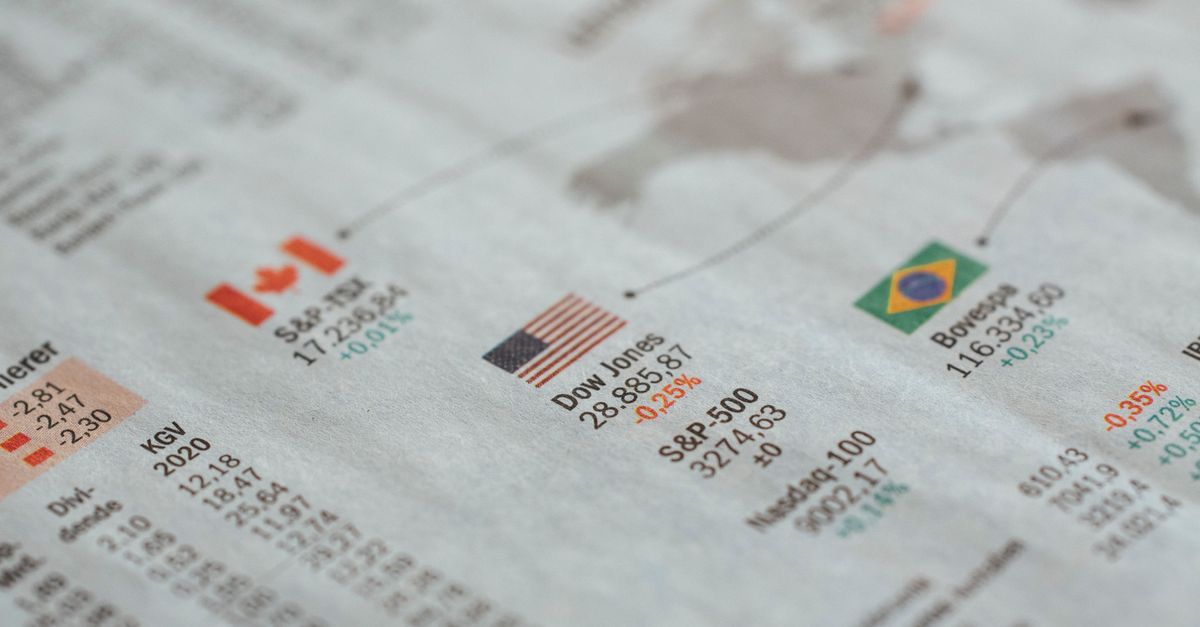
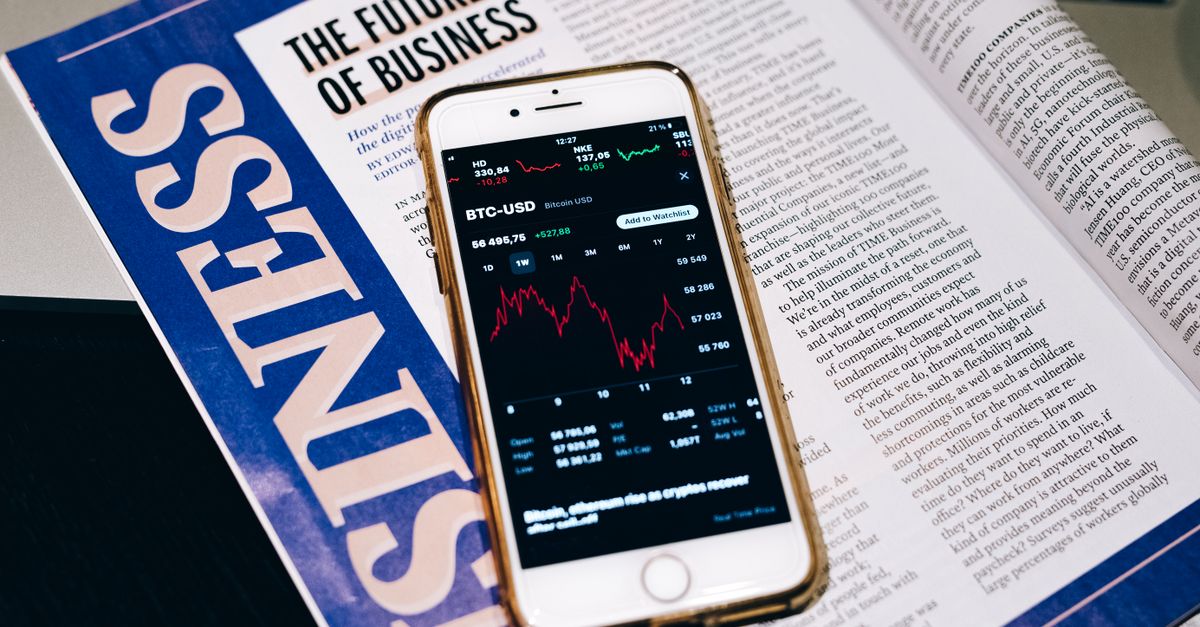
Daily Top Financial Trends Shaping Global Markets Today
A Clearer View of Market Movement
Daily Top Financial Trends are shaped by interest rates, inflation, employment, technology, and investor confidence. Together, they influence borrowing costs, business decisions, household budgets, and the direction of major markets. Understanding these forces turns noisy headlines into a clearer picture of why prices move and what deserves attention.
Advertisement
Interest Rates Set the Tempo
Daily Top Financial Trends often begin with central-bank policy. When interest rates rise, borrowing becomes more expensive for households, companies, and governments. Mortgage payments, credit-card balances, and business loans can all become heavier, encouraging people to spend less and save more. Higher rates may also reduce the appeal of stocks whose value depends heavily on future growth. When rates fall, the opposite effect can appear: credit becomes cheaper, investment may accelerate, and consumers often regain confidence. Markets react not only to current decisions but also to hints about what policymakers might do next, making a carefully chosen phrase surprisingly powerful.
Advertisement
Inflation Keeps Everyone Counting Pennies
Among Daily Top Financial Trends, inflation remains especially important because it affects nearly every corner of the economy. Rising prices reduce purchasing power, meaning the same paycheck buys fewer goods and services. Businesses face higher costs for labor, energy, transport, and materials, and they must decide whether to absorb those costs or pass them on to customers. Moderate inflation can accompany a growing economy, but persistent or unpredictable inflation creates uncertainty. Investors watch measures such as consumer prices, wage growth, and producer costs to judge whether price pressures are easing. Even a small change in inflation expectations can influence bond yields, currencies, and stock valuations.
Advertisement
Employment Signals Economic Health
Employment data provides another major clue within Daily Top Financial Trends. A strong labor market usually supports consumer spending because people with stable incomes are more likely to purchase homes, vehicles, services, and everyday necessities. However, exceptionally tight labor conditions can push wages higher and contribute to inflation if businesses struggle to find workers. A weakening job market may reduce price pressures, but it can also signal slower economic growth. Analysts therefore examine several details rather than relying on a single headline figure, including job creation, unemployment, participation rates, hours worked, and the balance between open positions and available workers.
Advertisement
Technology Changes the Investment Map
Technology has become one of the most visible forces behind Daily Top Financial Trends. Artificial intelligence, cloud computing, cybersecurity, automation, and advanced semiconductors are changing how companies operate and compete. Investors are weighing the potential for dramatic productivity gains against concerns about high valuations, intense competition, energy use, and uncertain profits. Technology can also reshape older industries, from manufacturing and logistics to banking and entertainment. The key question is not simply whether a new tool is impressive; it is whether businesses can use it efficiently, protect their data, and turn innovation into durable revenue rather than temporary excitement.
Advertisement
Markets Respond to Confidence and Risk
Investor confidence gives Daily Top Financial Trends their emotional dimension. Markets are not driven solely by facts; they also reflect expectations, fears, and changing views about the future. When confidence is strong, investors may accept greater risk, supporting shares, corporate bonds, and emerging-market assets. When uncertainty rises, money often moves toward traditionally defensive holdings, including high-quality government debt or cash-like instruments. Geopolitical tensions, elections, supply disruptions, and corporate earnings can all alter sentiment quickly. This explains why markets sometimes rise on disappointing news or fall after seemingly positive announcements: expectations, not headlines alone, determine the surprise.
Advertisement
Currencies, Commodities, and Global Links
No economy operates in isolation. Currency values influence the cost of imported goods, overseas revenue, travel, and international debt. A stronger currency can make imports cheaper while making a country’s exports less competitive. Commodity prices add another layer, with oil, metals, and agricultural products responding to weather, production, transportation, and geopolitical developments. Global supply chains mean that a disruption in one region can affect manufacturers and consumers elsewhere. Investors increasingly track trade flows, shipping activity, regional growth, and currency movements alongside domestic data, because financial markets are connected by a remarkably busy web of money and materials.
Advertisement
Reading the Bigger Financial Picture
Taken together, these developments show why no single statistic can explain market behavior. Interest rates affect financing, inflation shapes purchasing power, employment drives demand, technology changes productivity, and confidence influences risk-taking. Currency and commodity movements then transmit those effects across borders. The most useful approach is to compare several signals, distinguish short-term noise from lasting change, and recognize that forecasts are probabilities rather than promises. Financial headlines may sound dramatic, but a patient reading of the evidence usually reveals a more nuanced story—less crystal ball, more weather report.
Advertisement
Conclusion
Daily Top Financial Trends reflect the interaction of policy, prices, employment, innovation, confidence, and global trade. These forces influence markets together, often producing results that are less predictable than any single headline suggests. A broad, evidence-based view helps explain market changes without mistaking short-term noise for a lasting economic shift.
Advertisement