Mastering Trendlines: Your Financial Guide
Introduction to Financial Trendlines
Trendlines are an essential tool in the investor's toolkit. Their magic lies in their ability to chart a financial asset's journey through time. In this comprehensive guide, we'll explore how trendlines serve as both map and compass, helping market enthusiasts navigate ever-fluctuating seas of financial data.
Advertisement
What Are Trendlines?
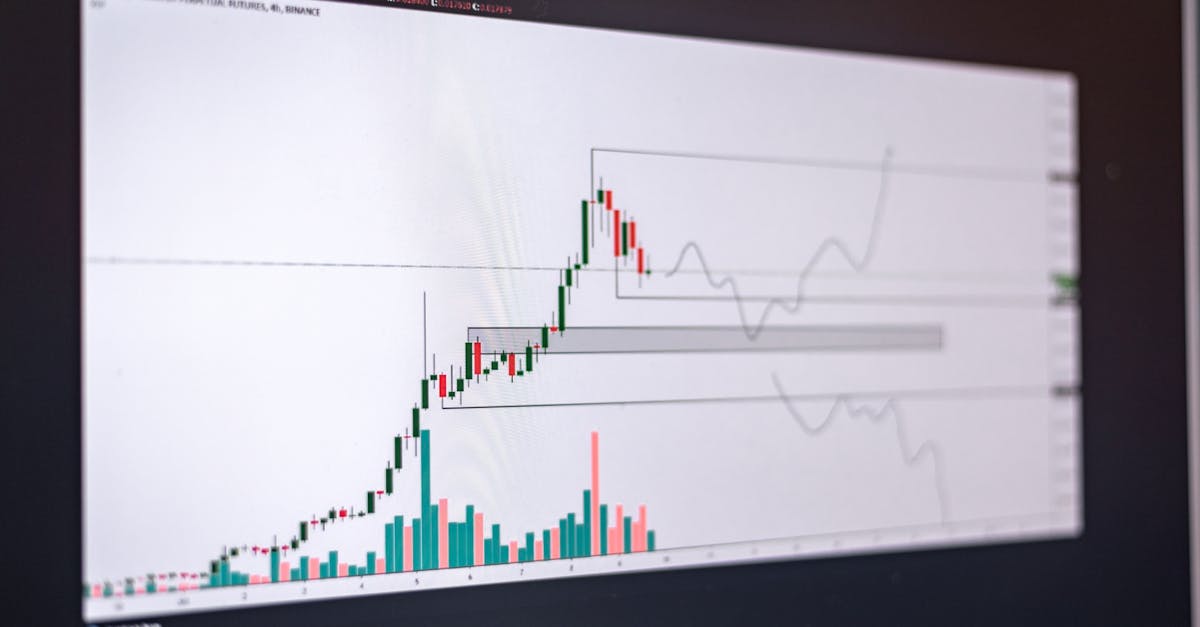
At its core, a trendline is simply a line drawn over pivot highs or under pivot lows to show the prevailing direction. They’re like financial constellations guiding traders and economists alike, helping them see the invisible hand guiding market movements.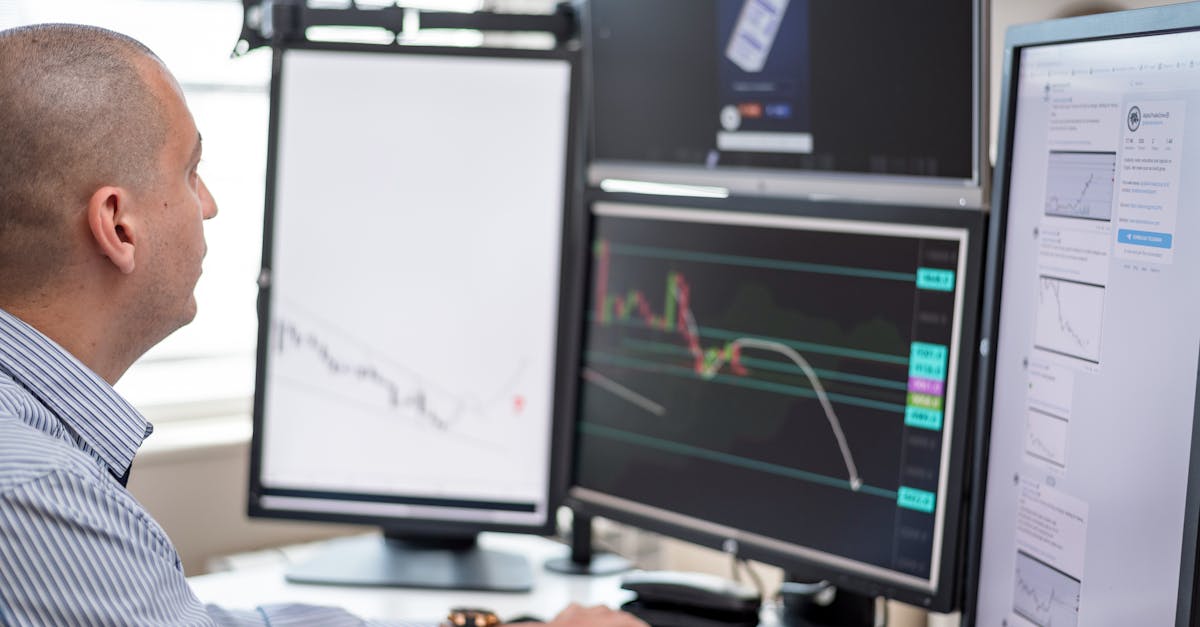
Advertisement
Drawing Trendlines: A Craft or an Art?
Creating trendlines isn't just a routine task; it's an art. To craft an effective trendline, carefully align the line from the most relevant peaks or troughs and avoid the rookie mistake of forcing it to fit your bias. Remember, the market is always the ultimate artist!
Advertisement
The Types of Trendlines
There are three main types: upward, downward, and horizontal trendlines. The choice of trendline depends on the market’s mood. Upward lines signal bullish optimism, downward lines highlight bearish caution, and flat lines mean indecision is in the air. Each type can hint at potential market pivots.
Advertisement
Interpreting Financial Trendlines
Interpreting trendlines involves considering both support and resistance. A trendline acting as support is where prices tend to stop falling, like a financial safety net. Conversely, resistance holds prices back from rising. Recognizing these elements can refine your trading strategy and decision-making process.
Advertisement
The Role of Trendlines in Financial Instruments
Trendlines aren't a one-trick pony. They’re versatile across financial instruments—stocks, commodities, or currencies. Each story they tell varies, sparking intrigue as traders stitch together narratives. Whether you're choosing between tech stocks or forex pairs, trendlines offer snapshots of current sentiment.
Advertisement
Combining with Other Tools
Good traders never fly alone. Pairing trendlines with other tools like moving averages or candlestick patterns allows for more nuanced insights. By triangulating data, market players can fine-tune their strategies. Remember, fortune favors the informed and prepared.
Advertisement
Conclusion: Navigating Financial Markets with Trendlines
In today’s volatile markets, understanding financial trendlines is a valuable skill. They serve as a simple yet sophisticated method for tracking market trends and making sense of asset behavior. While they aren't crystal balls, trendlines offer a degree of clarity in a world often clouded by uncertainty.
Advertisement