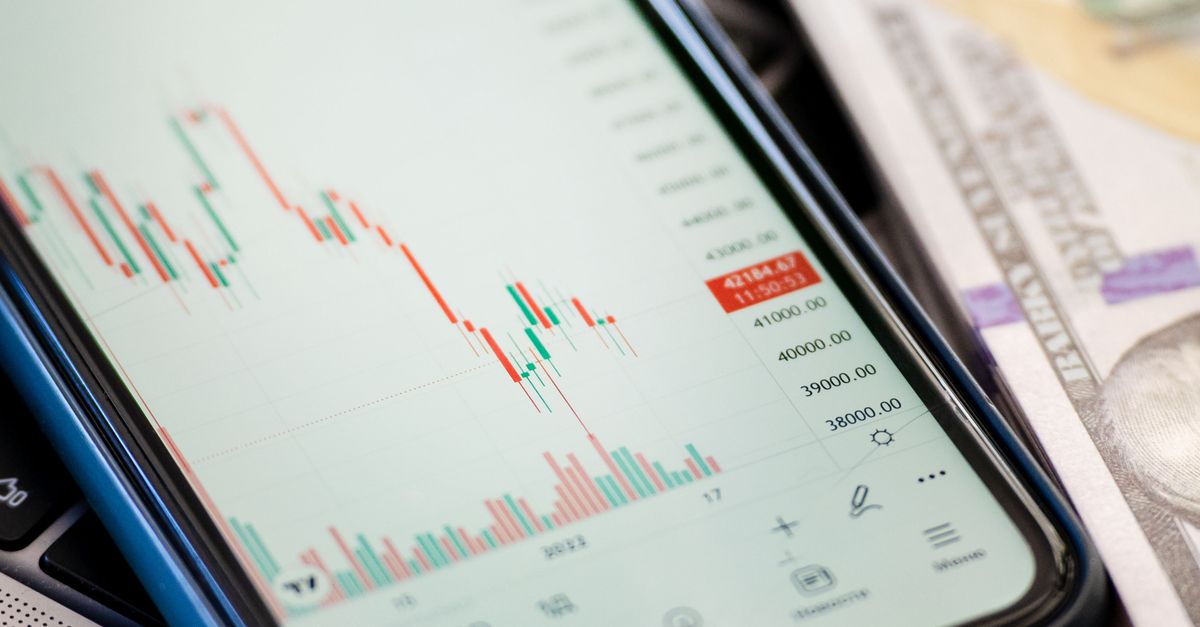
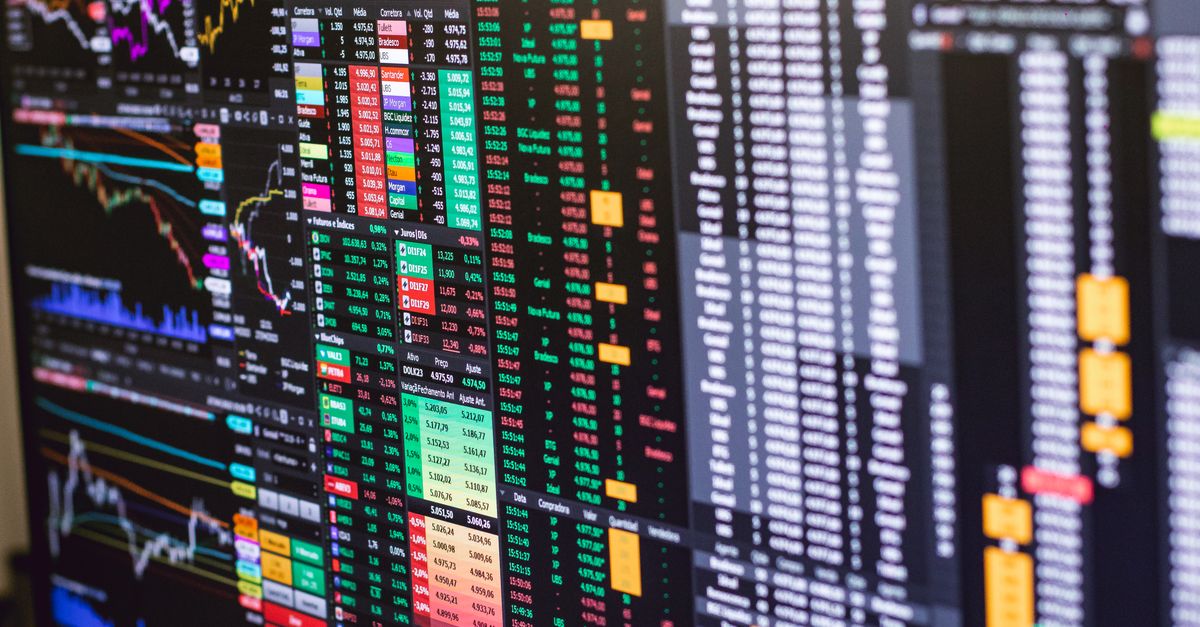
Forecasting Financial Trends: Navigating Today's Market
Introduction
The financial world spins continuously, influenced by myriad factors. Today, we delve into forecasting financial trends, exploring how these predictions mold investments and economies. Understanding these ever-evolving trends is crucial for investors and enterprises alike. This article demystifies complex jargon and elucidates the factors behind the fiscal currents shaping today's dynamic market.
Advertisement
A Brief History of Forecasting
Since the inception of markets, humans have been predicting trends. In ancient times, merchants relied on intuition and basic supply-demand models. Fast forward to the present, and we see sophisticated tools like algorithms and artificial intelligence driving predictions. This evolution underscores the importance of technology in modern-day financial forecasting.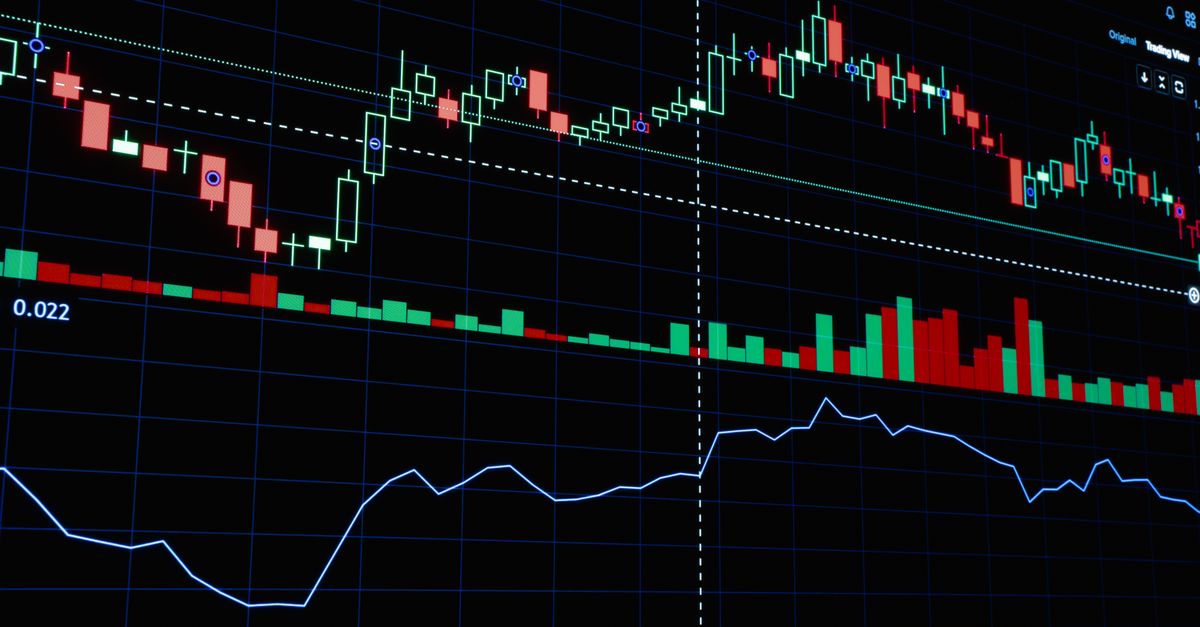
Advertisement
The Influencers: Economy, Policy, and Technology
Three dynamic forces significantly impact today's financial landscape: economic indicators, governmental policies, and technological advancements. GDP growth, unemployment rates, and inflation dictate investor behavior, while fiscal and monetary policies, like tax cuts or hikes, can set the pace of market trends. Technology further reshapes the horizon, with innovations like blockchain altering traditional paradigms.
Advertisement
Analyzing Natural Cycles
Markets are cyclical – a concept as old as the hills. Recognizing these cycles aids predictions, offering insightful patterns. From bull and bear markets to seasonal variations like 'January effects,' grasping these cycles provides a compass for navigating uncertain waters. While these natural rhythms offer valuable cues, forecasting deviations remain crucial.
Advertisement
Modern Challenges in Forecasting
Predicting trends in a rapidly changing world isn't devoid of challenges. Geopolitical tensions, unexpected financial crises, and pandemics introduce unparalleled unpredictability. Furthermore, biases in data collection or interpretation may skew outcomes, calling for continuous evolution in forecasting methodologies. An insightful forecaster must embrace adaptability as their guiding trait.
Advertisement
The Role of Data Analytics
In this digital age, data rules all. Financial forecasting leverages vast amounts of data, utilizing techniques like data mining and machine learning to predict future trends. As data science evolves, it enhances forecasting accuracy, offering precision like never before. Yet, the data's quality and relevance remain paramount, lest results lead investors astray.
Advertisement
Case Study: The Rise of ESG Investing
Environmental, Social, and Governance (ESG) investing has gained traction, demonstrating shifting market dynamics. As sustainability becomes a priority, investors increasingly direct funds towards companies valuing ethical practices. This trend, borne out of consumer demand and regulatory pressure, underscores the inherent link between societal values and financial markets.
Advertisement
Conclusion
Forecasting financial trends of today requires a nuanced understanding of various influencing factors. While technology, policy, and economic indicators play pivotal roles, recognizing inherent cycles and addressing modern challenges are equally vital. The art of prediction involves a delicate balance – one that embraces data analytics and stays nimble amidst shifting landscapes. As today's trends evolve, those equipped with comprehensive knowledge will adeptly navigate the unfolding fiscal narratives.
Advertisement