Financial Signals Shaping Smarter Decisions This Year
A Faster, Noisier Financial Landscape
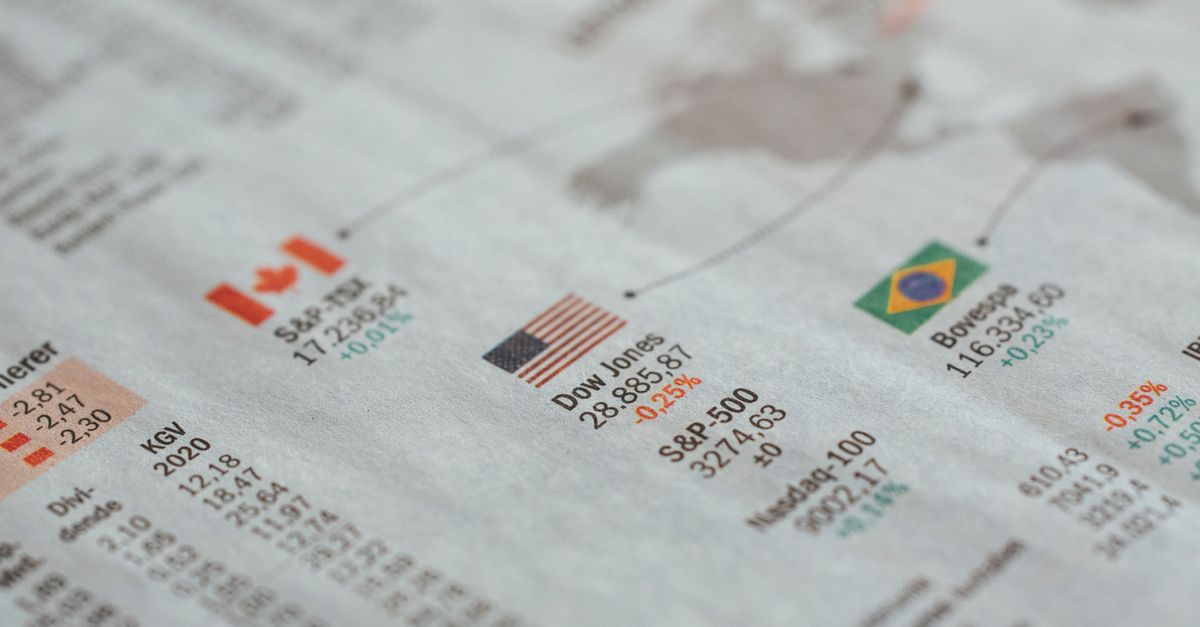
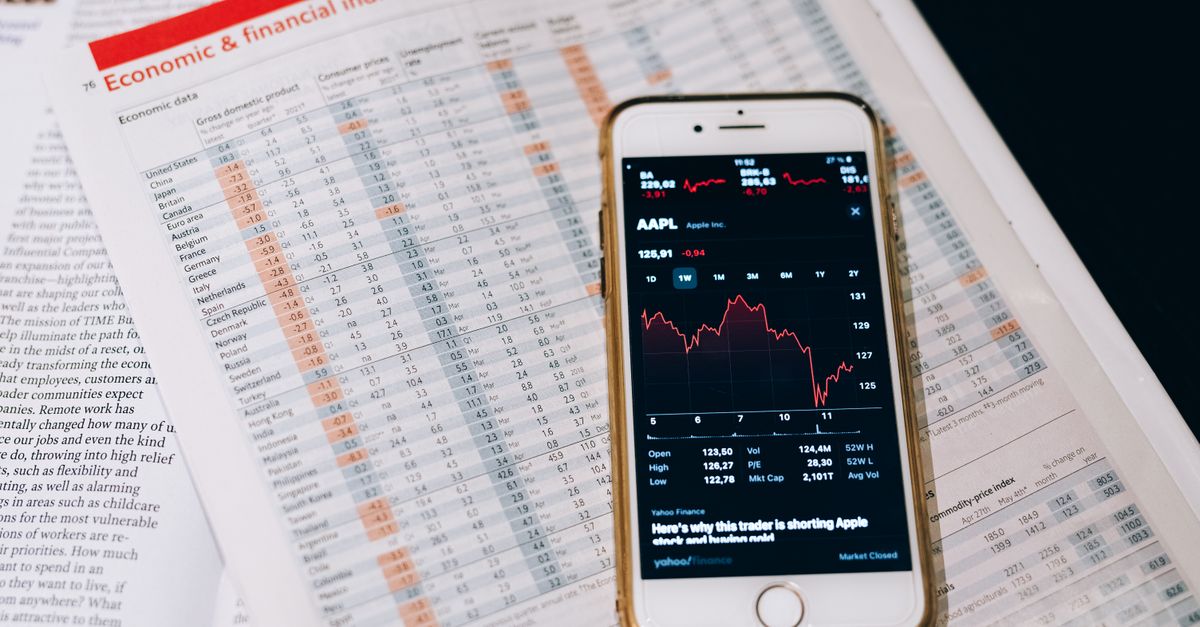
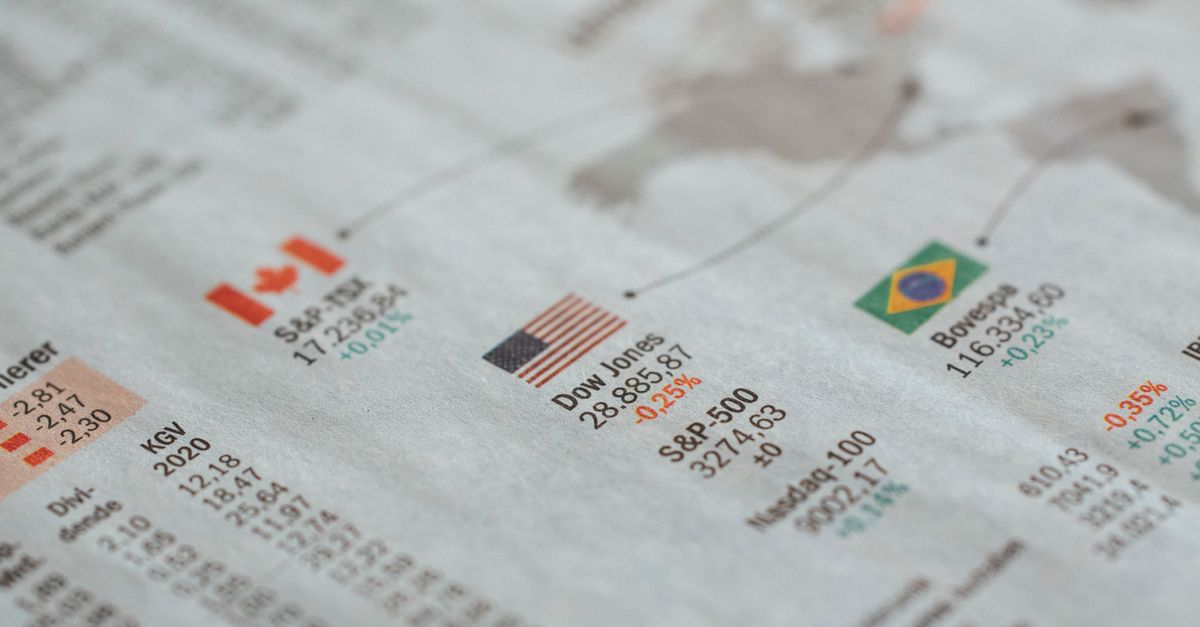
Money news now arrives at remarkable speed, mixing economic data, market drama, and social-media opinion into one crowded stream. The challenge is not finding information but deciding which signals deserve attention. Top Trends Today Financial Insights offers a practical framework for separating durable changes from temporary excitement and making sense of an increasingly interconnected financial world.
Advertisement
The Economy Still Sets the Tempo
Interest rates remain one of the most important forces influencing households, businesses, and investors. When borrowing costs rise, mortgages, credit cards, and corporate expansion become more expensive. When rates fall, spending and investment may gain momentum, although inflation can limit how quickly relief reaches everyday budgets. Top Trends Today Financial Insights treats rate decisions as part of a wider economic conversation rather than isolated headlines. Employment, wage growth, consumer confidence, and productivity all help explain where rates may go next. No single statistic has a magic wand, despite what dramatic market commentary may suggest.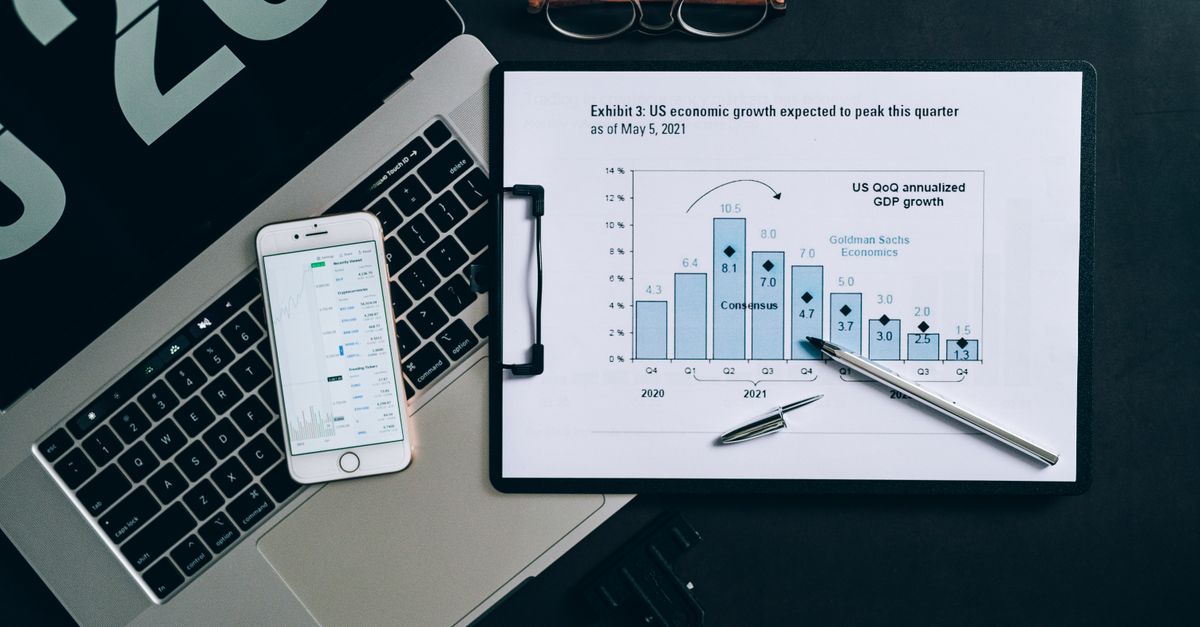
Advertisement
Inflation Has Changed the Shopping List
Inflation is more than a percentage printed in an economic report; it changes what people buy, postpone, or quietly remove from the cart. Even when inflation slows, prices generally do not return to their old levels. That distinction matters for financial planning, because a slower increase is not the same as a price decrease. Top Trends Today Financial Insights emphasizes the value of tracking personal spending categories instead of relying only on national averages. Housing, food, transportation, and insurance can behave very differently, so a household’s real experience may diverge from the headline figure.
Advertisement
Artificial Intelligence Meets Financial Reality
Artificial intelligence is becoming a major investment theme and a practical business tool. Companies are using it to automate routine work, analyze large datasets, improve customer service, and accelerate research. Yet enthusiasm should be balanced with questions about costs, regulation, cybersecurity, energy use, and whether promised productivity gains are actually appearing. Top Trends Today Financial Insights views artificial intelligence as an evolving business development, not a guaranteed shortcut to profit. Investors and managers benefit from examining revenue, cash flow, competitive advantages, and implementation risks rather than applauding every company that adds fashionable technology to its presentation.
Advertisement
Markets Reward Patience More Than Drama
Financial markets often react to expectations before economic conditions visibly change. A strong rally may reflect hopes for lower rates, better earnings, or improving productivity, while a sudden decline can expose how quickly confidence disappears. Top Trends Today Financial Insights therefore favors diversification, realistic time horizons, and a clear understanding of risk. Diversification cannot prevent every loss, but it can reduce dependence on one company, sector, country, or story. Patience also helps investors avoid turning temporary volatility into permanent damage through hurried decisions. Markets are emotional places; they are not improved by matching their mood minute by minute.
Advertisement
The Global Picture Is Increasingly Connected
Trade, energy, currencies, and geopolitical events can move financial conditions far beyond national borders. Supply-chain disruptions may raise costs, while changes in energy prices can influence inflation and corporate margins. Currency movements also affect travelers, importers, exporters, and companies with international revenue. Top Trends Today Financial Insights highlights this connection because domestic financial choices rarely exist in a sealed container. A business may face demand from one region, suppliers in another, and financing conditions shaped by a third. Global awareness does not require memorizing every exchange rate; it requires recognizing that distant events can eventually reach local budgets.
Advertisement
Sustainability Is Becoming Financially Material
Environmental and social considerations are increasingly linked to business performance, capital access, and consumer behavior. Companies that manage energy use, resource efficiency, labor standards, and supply-chain exposure may become more resilient as regulations and expectations evolve. At the same time, sustainability claims deserve careful scrutiny, since polished language can sometimes outrun measurable results. Top Trends Today Financial Insights encourages readers to look for evidence such as operating costs, emissions data, governance practices, and long-term investment plans. Sustainability is not merely a branding exercise; in many industries, it is becoming part of risk management and competitive strategy.
Advertisement
Households Are Building Financial Resilience
Personal finance trends increasingly focus on resilience rather than perfection. An emergency fund, manageable debt, appropriate insurance, and regular saving can help absorb surprises without forcing every problem onto a credit card. Automated contributions may make saving easier, while reviewing subscriptions and recurring expenses can uncover money that has been hiding in plain sight. Top Trends Today Financial Insights places these habits alongside market developments because household stability affects how confidently people respond to economic change. A sensible plan does not require predicting every downturn. It requires creating enough flexibility to make reasonable decisions when circumstances become inconvenient.
Advertisement
Digital Finance Brings Convenience and Risk
Mobile banking, instant payments, digital wallets, and online investing have made financial services faster and more accessible. They have also introduced new concerns, including scams, identity theft, data misuse, and impulsive trading. Convenience can encourage useful habits, but it can also remove the small pause that once separated a decision from an impulse. Consumers should use strong passwords, multifactor authentication, transaction alerts, and careful verification before sending money. Financial technology is most valuable when it improves control and visibility, not when it turns every spare moment into an invitation to trade.
Advertisement
Reading Data Without Losing Perspective
Good financial analysis combines numbers with context. A single month of employment data, a quarterly earnings surprise, or one dramatic price move rarely explains the whole story. Useful questions include whether a trend is broad or concentrated, temporary or persistent, and supported by several independent measures. Comparing current figures with longer historical periods can also reveal whether a change is genuinely unusual or simply receiving unusually loud coverage. This approach reduces the risk of confusing visibility with importance, a common error in an age when an exciting headline can travel faster than a careful explanation.
Advertisement
A Practical Framework for Better Decisions
Readers can organize financial information by separating three categories: facts, interpretations, and forecasts. Facts describe what has happened, interpretations explain possible causes, and forecasts estimate what might happen next. Keeping those categories distinct makes uncertainty easier to recognize. It is also useful to connect every financial decision to a time horizon and a risk capacity. Money needed soon generally deserves different treatment from money intended for a distant goal. Reviewing assumptions periodically is equally important, because a plan built for one income, interest-rate, or family situation may need adjustment when reality changes.
Advertisement
What the Signals Mean Going Forward
The broad financial picture is being shaped by the interaction of technology, inflation, interest rates, global connections, sustainability, and changing consumer habits. Top Trends Today Financial Insights is most useful when treated as a method for organizing these forces rather than as a prediction machine. The goal is not perfect certainty, which remains unavailable and rather poorly reviewed, but better preparation. People and businesses can improve decisions by checking evidence, diversifying risks, protecting financial data, and allowing time for important trends to distinguish themselves from passing noise.
Advertisement
Conclusion
Financial conditions are influenced by many connected forces, from rates and inflation to artificial intelligence, global trade, sustainability, and digital finance. The strongest response is a balanced approach built on evidence, diversification, resilience, and appropriate time horizons. Clear thinking will not eliminate uncertainty, but it can make uncertainty far easier to manage.
Advertisement